
The Importance Of Being Connected
In the modern era, being "connected" usually implies the internet, devices, and global networks.
Democratization of Knowledge: The internet connects people to information that was once gated behind expensive institutions. Education, skills, and global news are accessible to anyone with a signal.
Economic Opportunity: Modern economies rely entirely on connectivity. It allows for remote work, global trade, and the ability for a small business in a rural town to sell to a customer across the world.
Global Solidarity: Digital connection allows us to witness events in real-time, mobilizing aid for disasters or amplifying voices that would otherwise be silenced.



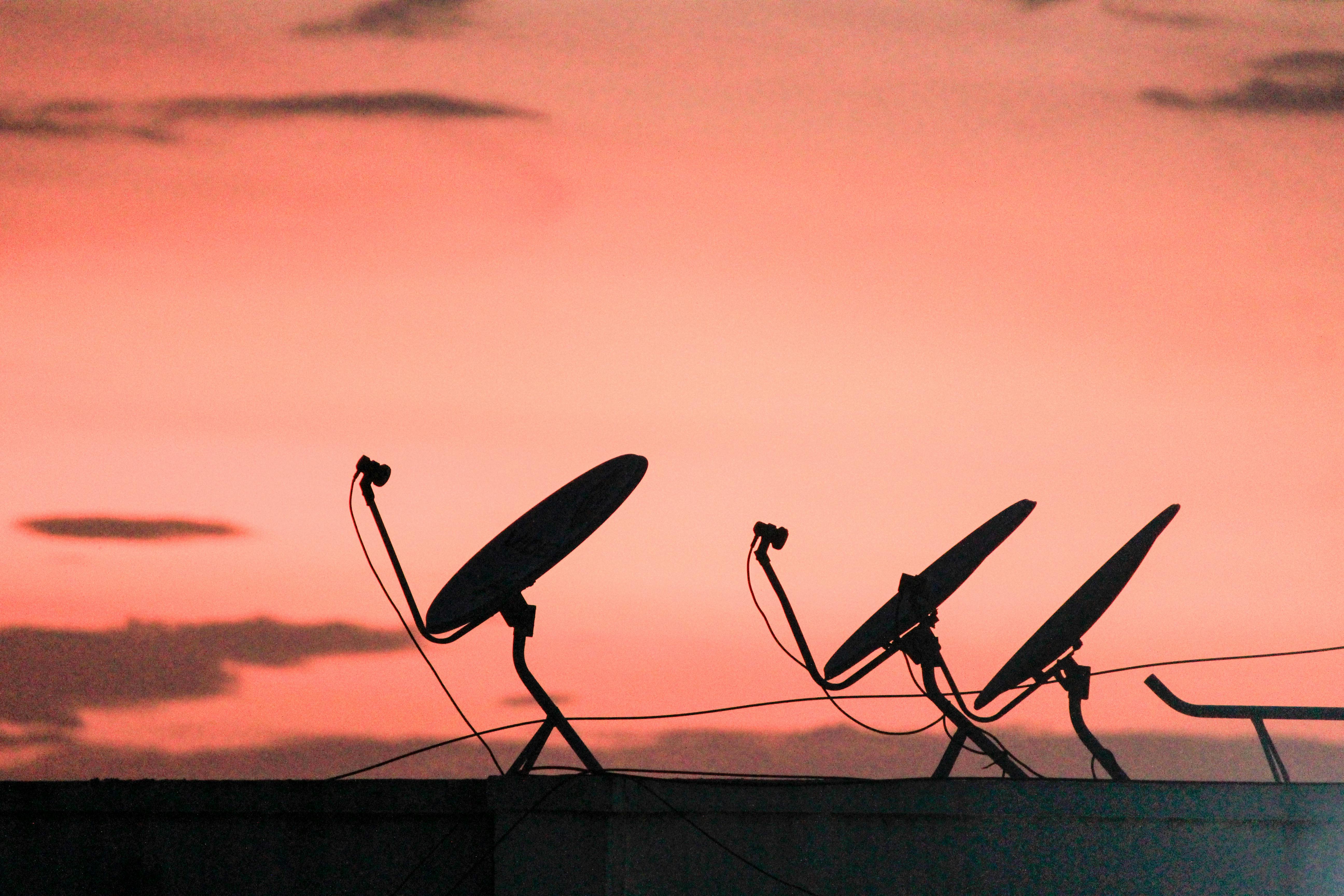
Network Installation
Network installation is the process of building the physical and digital infrastructure that allows devices—like computers, servers, smartphones, and smart devices—to communicate with each other and the internet.
Whether it is for a small home, a booming startup, or a massive corporate enterprise, a professional network installation follows a structured, step-by-step process to ensure data flows quickly, securely, and without interruption.
Here is exactly what happens during a professional network installation:
1. Assessment and Site Survey
Before a single cable is run, a thorough evaluation of the space and the user's needs is conducted.
- Requirements Gathering: Determining how many devices need connection, what kind of bandwidth is required (e.g., video streaming vs. basic emails), and what the budget looks like.
- Physical Blueprinting: Walking the building to identify architectural barriers (like thick concrete walls or metal beams) that could block Wi-Fi signals.
- ISP Coordination: Figuring out where the Internet Service Provider (ISP) brings the main internet line into the building (the demarcation point).
2. Network Design & Topology
Next, a blueprint of the network architecture is created. This includes choosing the right topology (how devices are arranged) and selecting the hardware.
- Hardware Selection: Choosing the appropriate routers, switches, firewalls, and Access Points (APs) based on the required scale.
- Mapping: Deciding the exact placement of the central network closet, server racks, and where wireless access points will be mounted for optimal coverage.
3. Cable Infrastructure (The Backbone)
If a network doesn't have a solid physical foundation, everything else fails. This phase involves the physical installation of the wiring.
- Running the Cables: Pulling copper (like Cat6 or Cat6a) or fiber-optic cables through walls, ceilings, or conduits.
- Termination and Patching: Connecting the ends of these cables to RJ45 jacks in the walls and organizing the other ends neatly into patch panels inside a central server rack.
- Cable Management: Using zip ties, Velcro, and labels so that any future troubleshooting is easy and clean, avoiding a "spaghetti mess" of wires.
4. Hardware Installation & Mounting
Once the wiring is in place, the physical "brains" of the network are installed.
- Rack Mounting: Securing the UPS (uninterruptible power supply), switches, routers, and firewalls into the server rack.
- Access Point Deployment: Mounting Wi-Fi access points to ceilings or high walls to ensure maximum, unobstructed wireless coverage throughout the building.
5. Configuration & Software Setup
With the hardware physically connected, the network must be programmed and secured.
- IP Addressing & VLANs: Setting up how devices get their IP addresses (DHCP) and dividing the network into Virtual Local Area Networks (VLANs). For example, keeping corporate data on one network and creating a separate, isolated network for guests.
- Security & Firewalls: Configuring the firewall to block malicious traffic, setting up VPNs for secure remote access, and establishing strong Wi-Fi encryption (like WPA3).
- Routing Protocols: Ensuring data takes the fastest, most efficient path from device to destination.
6. Testing, Certification, and Handoff
Before the project is considered complete, the network is put through its paces.
- Cable Testing: Using specialized tools to certify that every single ethernet cable is transmitting data at its maximum rated speed without interference.
- Speed & Coverage Checks: Walking the premises to test Wi-Fi signal strength and internet download/upload speeds in every corner.
- Documentation: Handing over a complete packet to the owner, including a network map, passwords, device serial numbers, and warranty information.
Pricing
Our pricing models.
PROJECT
Agreed Price
Based on our quotation
Start on payment of deposit
Payment on completed milestones
HOURLY
BBD$175/hr
Copper Data Cabling
Fiber Optic Cable
Network Design
Troubleshooting Faults
ANNUAL BUSINESS SUPPORT
Annual Fee/yr
Pre pay annual support fee
Lower hourly rate during the year
Higher priority
EMERGENCY CALL OUT
BBD$250/hr
Weekends and holidays
Postpone ongoing work
Meet Our Team
We’re a group of passionate professionals committed to solving problems. Our diverse skills, experience and collaborative spirit drive innovation.

Thomas Clarke
Manager
Rene Ramdin
Network Engineer
Stevette Lopez
Electrician
Frequently Asked Questions
What is the difference between the Internet and the World Wide Web (WWW)?
- The Internet is the physical network of networks. It is the global infrastructure of cables, routers, data centers, and satellites that connects computers worldwide.
- The World Wide Web is a collection of information (web pages, videos, documents) that is accessed over that physical internet infrastructure using the HTTP/HTTPS protocols.
- Analogy: The Internet is the highway system; the World Wide Web is the traffic driving on it.
What is an IP address, and how do IPv4 and IPv6 differ?
- IPv4: Uses a 32-bit numeric format (e.g., 192.168.1.1). It allows for about 4.3 billion unique addresses, which the world has completely run out of due to the explosion of smartphones and smart devices.
- IPv6: Uses a 128-bit alphanumeric format (e.g., 2001:db8::ff00:42:8329). It allows for a virtually infinite number of addresses ($3.4 \times 10^38$), ensuring every device on earth can have its own unique IP for the foreseeable future.
What is the OSI Model, and why is it important?
- Application: Where user interaction happens (HTTP, FTP, SMTP).
- Presentation: Data formatting, encryption, and compression (SSL/TLS, JPEG).
- Session: Managing connections between applications.
- Transport: Reliable data transmission and error checking (TCP, UDP).
- Network: Routing data packets based on IP addresses.
- Data Link: Physical addressing and framing (MAC addresses, Ethernet switches).
- Physical: The literal transmission of raw bitstreams over cables or radio waves.
What is the difference between a Hub, a Switch, and a Router?
- Hub (Layer 1): A basic device that receives data on one port and blindly broadcasts it to all other ports. It is highly inefficient and rarely used today.
- Switch (Layer 2): A smart device that connects multiple computers within the same local network (LAN). It learns the unique MAC addresses of connected devices and forwards data only to the specific device it was intended for.
- Router (Layer 3): The smartest of the three. A router connects entirely different networks together—specifically, it connects your local home or office network to the public Internet.
What is a MAC address, and how is it different from an IP address?
- MAC Address (Media Access Control): A permanent, physical hardware address burned into your device’s network card at the factory. It never changes, no matter where you take the device.
- IP Address: A temporary, logical address assigned by the network you are currently connected to.
- Analogy: Your MAC address is your fingerprint (unique to you forever), while your IP address is your physical mailing address (changes whenever you move).
What is the difference between TCP and UDP?
- TCP (Transmission Control Protocol): Prioritizes reliability. It establishes a formal connection between devices, numbers the data packets, and checks to ensure everything arrives intact and in order. If a packet is dropped, it requests a retransmission. (Used for web browsing, emails, file downloads).
- UDP (User Datagram Protocol): Prioritizes speed. It sends packets continuously without checking if they arrive or if they are in order. (Used for live video streaming, online gaming, and VoIP calls, where a brief glitch is better than a massive delay).
What does a DHCP server do?
What is a Firewall?
What is a VPN?
Need help?
Join many companies that have used our services to improve their infrastructure.