
Fiber Optic Installation
Fiber optic installation is the process of laying and connecting thin strands of glass (fibers) that transmit data as pulses of light. This process is highly precise because even a speck of dust or a slight misalignment can disrupt the signal.

1. Planning And Site Survey
For underground setups, a conduit (a protective plastic pipe) is usually installed first. To get the fiber through the conduit, technicians use a "pull string" or high-pressure air to "blow" the fiber through the pipe, which minimizes friction and prevents the delicate glass from stretching or breaking.
- Aerial Installation: Attaching cables to existing utility poles.
- Underground Installation: Burying cables in trenches or pulling them through protective conduits.
2. Preparing The Pathway
For underground setups, a conduit (a protective plastic pipe) is usually installed first. To get the fiber through the conduit, technicians use a "pull string" or high-pressure air to "blow" the fiber through the pipe, which minimizes friction and prevents the delicate glass from stretching or breaking.

3. Splicing: Joining the Fibers
Since cables come in specific lengths, they must be joined together. This is the most critical step and is done in two ways:
- Fusion Splicing: A specialized machine uses an electric arc to melt two fiber ends together, creating a continuous glass path. This offers the lowest signal loss.
- Mechanical Splicing: The fibers are held together by a mechanical fixture and a special gel that helps light pass between them. This is faster but less efficient than fusion.
4. Termination and Connection
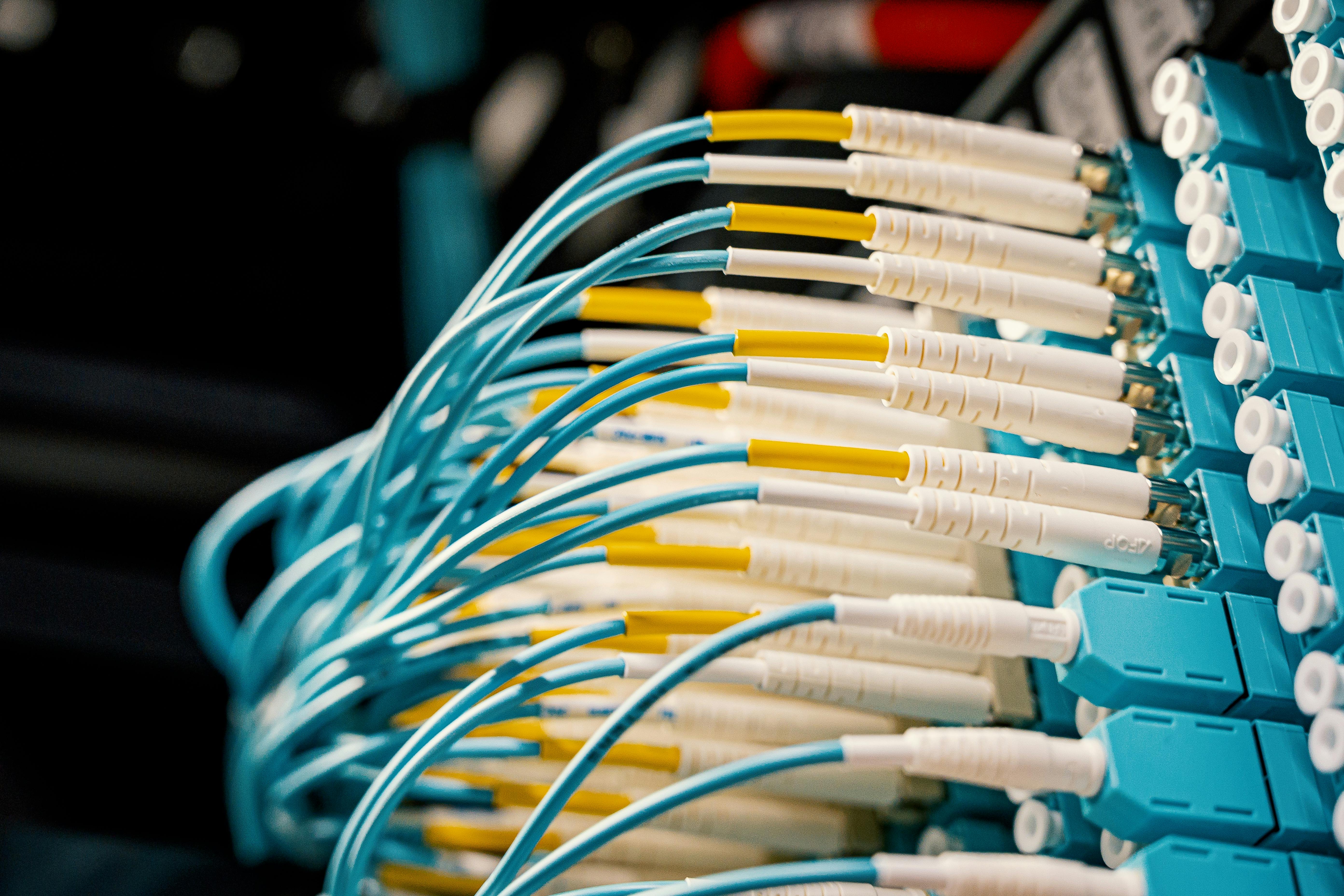
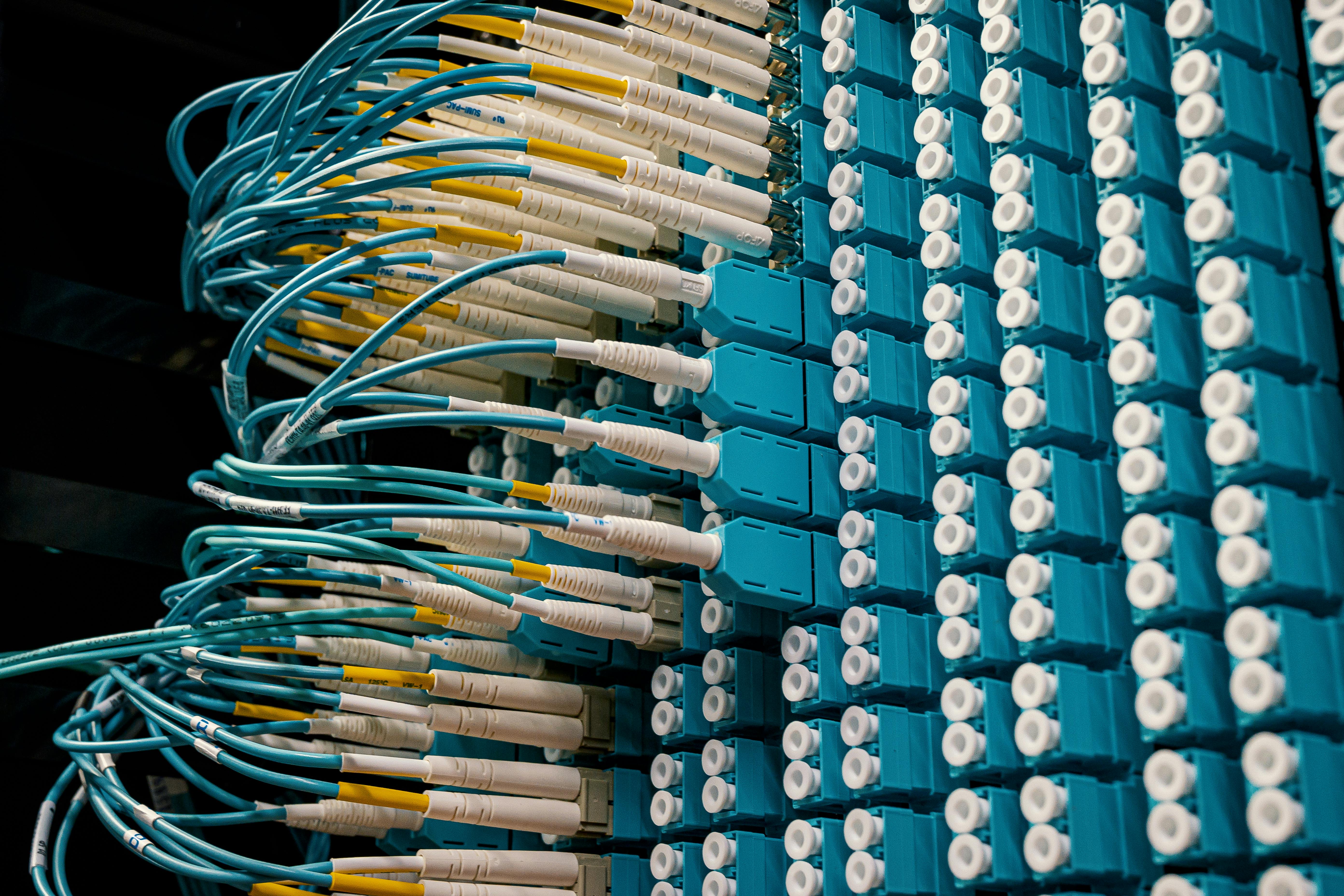
The end of the fiber cable is "terminated" at a Patch Panel or an Optical Network Terminal (ONT).
- Cleaving: The fiber is cut perfectly square using a precision tool (a cleaver).
- Polishing: If using connectors instead of fusion, the tips are polished to a mirror finish to ensure light flows out smoothly.
5. Testing and Validation
Once the physical link is complete, technicians use an OTDR (Optical Time Domain Reflectometer). This device sends a pulse of light down the line and measures the "backscatter." It identifies:
- The total length of the fiber.
- Any points of high signal loss (attenuation).
- The location of any breaks or bad splices.